
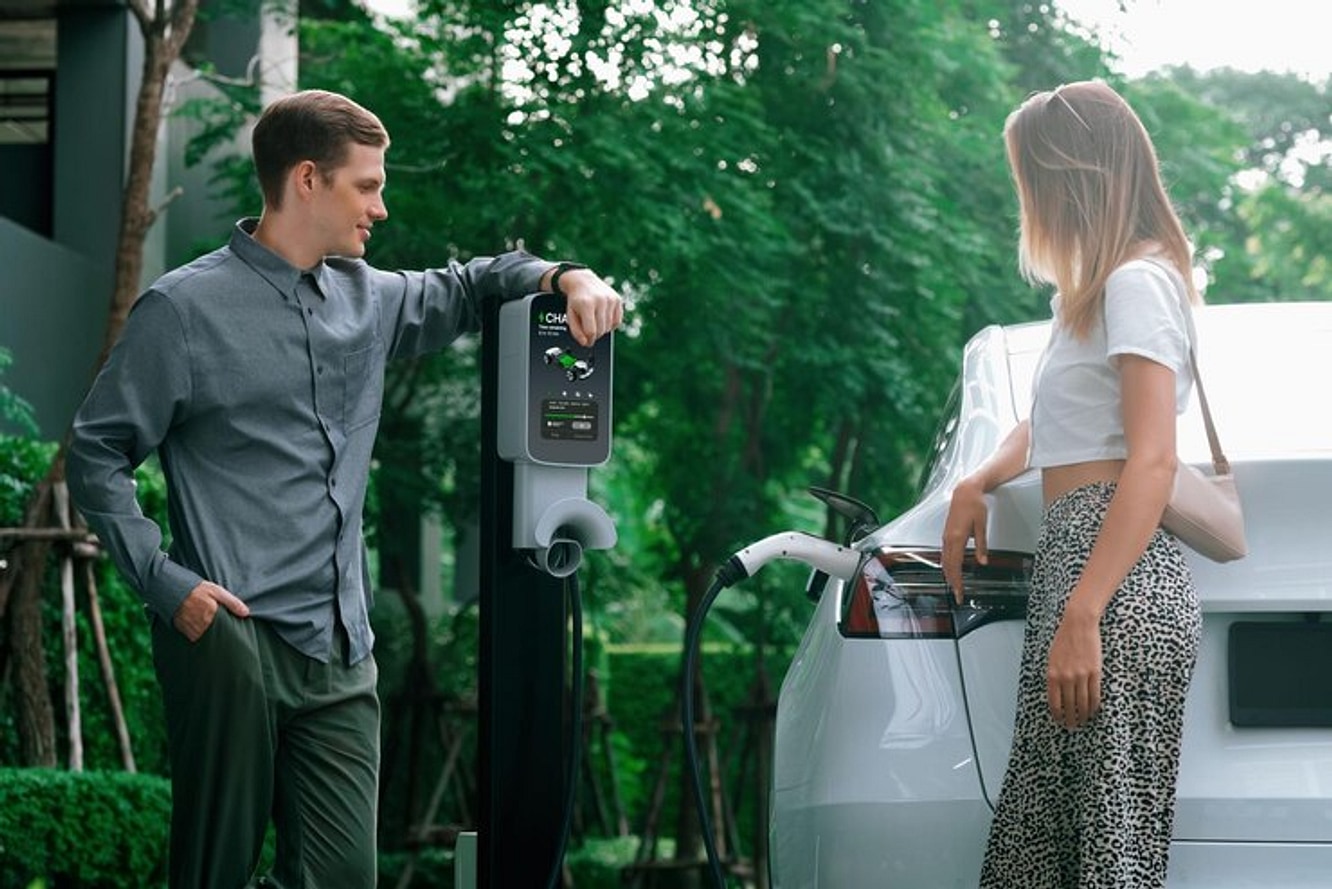
Basics of Electric Vehicle Charging Methods
You know, as people drive electric cars, charging becomes important. People charge phones at home with equipment and quickly outside. How you live and travel actually kind of decides the benefits.
Battery packs charge fast and are great for trips or emergencies. Home charging takes longer but basically gives power overnight. Both ways make sure that the vehicle is reliable and allows drivers to travel often.
Drivers knowing charging methods helps pick the best method. Knowing how to charge can help plan energy reliability.
How Fast Charging Supports Long Distance Travel
Fast charging stations kind of help you when traveling long distances. Well, these places kind of help drivers charge and reduce traffic waits.
The following table highlights key comparisons and factors for fast charging and home charging in the context of long-distance travel.
| Aspect | Fast Charging | Home Charging | Use Case |
| Speed | 30-60 min (80%) | 6-8 hours | Emergency/Trips |
| Energy Cost | Higher per kWh | Lower per kWh | Daily Commutes |
| Infrastructure | Public Stations | Personal/Home Units | Urban/Rural |
| Battery Impact | Increased Heat | Stable Temperature | Longevity |
Considering these factors, the following sections delve deeper into the convenience and reliability offered by each charging method.
Fast charging is actually useful when travel plans kind of change. Fast charging basically helps drivers feel confident for reliable trips.
Basically as chargers grow it is easier to own a car. Building stations actually makes people use electric cars and helps drivers.
Home Charging Offering Everyday Convenience and Reliability
Basically home charging lets people charge cars when not using them. Charging at night basically keeps the battery ready each morning.
It is great for commuters since it basically charges regularly. Basically, drivers control energy use and stay comfortable at home.
Basically, home chargers prevent delays because cars stay parked charged. Basically, this reliability makes owning a car simple and easy.
Comparing Charging Speed and Daily Practicality
One difference is fast charging is kind of faster. Basically drivers quickly charge batteries during emergencies or long trips fast. This makes life easier and, well, more flexible for drivers.
Home charging is longer but basically steady for everyday use. You know charging batteries overnight helps without stressing parts or systems.
What each method is used for depends on the travel needs. Fast charging helps long trips and home charging suits daily work drivers.
Cost Considerations for Fast Charging and Home Charging
Basically, cost decides the best charging method for electric car owners. Fast charging needs advanced tools, so energy rates are actually higher.
Home charging uses power supplies and actually lowers electricity cost. Well charge off-peak to save money and use cheaper electricity.
Basically, knowing costs lets owners charge kind of the most. To keep costs low you balance fast and home charging well.
Convenience and Accessibility in Urban and Rural Areas
Place and infrastructure have a big impact on how convenient something is. Drivers basically find city fast charging easy since stations are close. Basically, easy access helps busy people and those who travel.
Rural areas have fewer stations so charging at home is easier. Well home charging gives power and avoids long trips for drivers.
Electric car owners actually benefit from better area infrastructure. Charging networks grow and charging cars will basically get easier.
Impact of Charging Methods on Battery Health
Charging methods basically change battery health and how parts work. Fast charging heats things and, basically, causes wear with much use.
The table below provides a comparison of the effects of fast and home charging on battery health, emphasizing potential wear and long-term stability.
| Aspect | Fast Charging | Home Charging | Impact |
| Heat Generation | High | Low | Increased wear with fast charging |
| Stress on Battery | High during frequent use | Low | Extended battery life with regulated charging |
| Charging Speed | 30-60 mins (80%) | 6-8 hours | Convenience vs longevity |
| Recommended Use | Emergencies/Trips | Daily/Overnight | Balance usage for optimal battery health |
Understanding these factors can help drivers maintain battery performance while balancing convenience and long-term reliability.
At home, low power kind of means less heat and stress. Long use of battery actually keeps performance and capacity stable.
Basically, batteries stay safe using a balanced charging schedule. Fast charging helps in emergencies and regular charging keeps batteries good.
Key Factors Drivers Should Consider When Choosing Charging Options
Basically think about travel, lifestyle and stuff when choosing charging. Drivers should consider convenience, efficiency, and, you know, vehicle performance.
- How far you commute and how often you commute
- Having access to charging stations nearby
- Why electricity and energy use cost so much
- How much power and how They charge vehicle batteries
By checking things, drivers basically make plans for reliable cars. Planning ahead ensures transportation and energy costs are actually manageable.
Environmental Impact of Charging Practices
How you charge your car actually affects its environmental impact. Charging at home with renewable energy helps cut emissions and supports green transportation. Clean energy reduces fossil fuels and actually makes air better.
Fast charging stations with renewable energy are actually good. Solar or wind power is basically for reliable and safe charging.
Basically charging helps with energy goals and, well, the environment. Charging basically helps keep transportation clean and healthier for communities.
Future Trends in Electric Vehicle Charging Technology
Manufacturers are improving charging, you know, to make it better and faster. New ideas in design actually make cars safer and better.
New tech like wireless charging and smart grids basically change charging. Well, vehicles connect and use energy better based on demand.
As technology improves, charging electric cars will get easier and use less power. As technology and infrastructure improve, fast charging solutions for home use will make things easier, cheaper, and better at what they do.
