
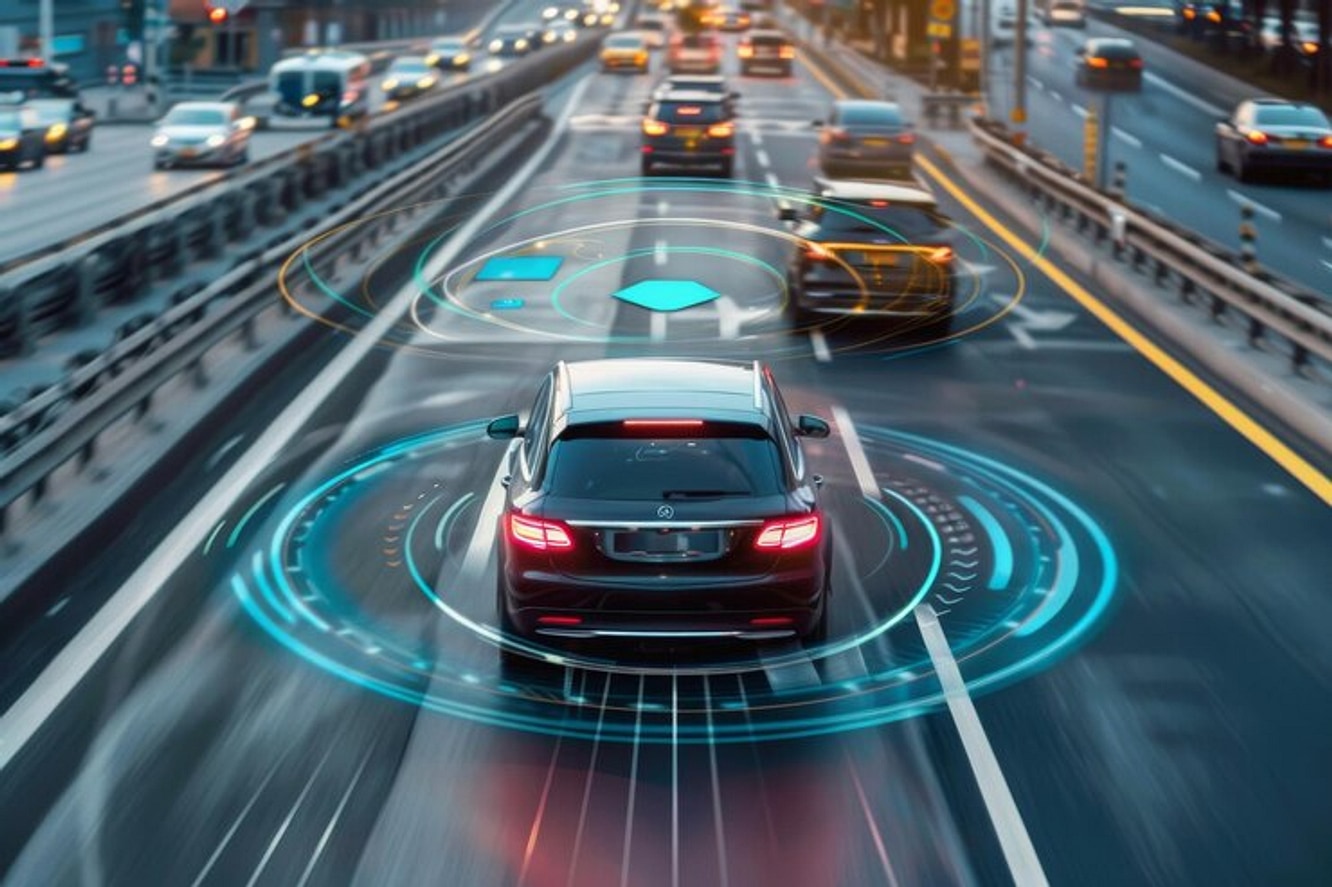
Understanding the Core Purpose of Advanced Driver Assistance Systems
Modern cars basically changed a lot since systems stop accidents. These systems actually help drivers watch surroundings and send alerts. Basically, this reduces mistakes and makes kind of safer driving.
Traffic is harder now since, you know, cars go faster. Drivers crash more when tired, distracted, or basically do not know. Technologies basically keep checking the road and kind of help safety.
How Sensors and Cameras Work Together to Improve Awareness
Actually, sensors and cameras are important for finding people and cars. These parts basically send data to the car system. This lets computers quickly decide and basically keep roads safe.
Basically sensors and cameras kind of help cars safety and awareness.
| Component | Function | Type | Purpose |
| Cameras | Recognize signs & lanes | Visual | Assist in navigation |
| Radar Sensors | Measure speed & distance | Radio Waves | Prevent collisions |
| Ultrasonic Sensors | Detect close objects | Sound Waves | Aid in parking |
| Infrared Sensors | Detect obstacles in low light | Thermal | Improve night driving |
Basically, these systems work together to improve road safety and awareness.
Basically, cameras watch signs and lanes to help drivers, you know. Radar sensors basically track speed and distance so you stay safe. You know this setup, kind of helps drivers feel confident driving.
Automatic Emergency Braking and Collision Prevention Features
Modern cars actually have great safety features and automatic braking. The system basically brakes if the driver does not act fast. Basically this feature makes accidents less dangerous and injuries, you know, less bad.
Basically, sensors measure how fast vehicles close and distance apart. Basically when it senses a big accident risk it brakes fast. This response stops crashes or kind of lowers crash damage.
Lane Assistance Technology Supporting Safer Highway Travel
Lane assist technology basically helps drivers stay in their lanes. The system kind of watches the road lines and fixes steering. Actually, this support kind of helps stop accidents when driving far.
Basically, when the car leaves its lane steering and signals show. Basically these warnings push people to quickly make needed changes. This technology helps a lot when driving at night or bad weather.
Adaptive Cruise Control Enhancing Comfort and Safety
Adaptive cruise basically changes car speed during traffic conditions. The system basically makes keeping a safe distance easier. Drivers do not have to slow down and speed up driving.
Radar sensors check speed of cars ahead and basically adjust throttle. The system kind of slows when traffic slows down. It kind of returns to set speed when road clears. When drivers have to travel for long periods of time, this smooth operation reduces their stress.
Blind Spot Monitoring Increasing Driver Confidence
Blind spot monitoring helps drivers avoid accidents by showing unseen cars. Back sensors basically alert you for unsafe and unsafe lane changes.
Here is how Blind Spot Monitoring works to, well, improve safety.
| Component | Function | Type | Benefit |
| Rear Sensors | Detect nearby vehicles | Ultrasonic | Warns during unsafe lane changes |
| Mirrors with Indicators | Display warnings visually | Visual | Enhances driver awareness |
| Dashboard Alerts | Show warnings or signals | Visual/Audio | Provides quick feedback |
| Side Cameras | Monitor blind spots | Visual | Expands peripheral awareness |
These elements help drivers avoid dangers and, you know, decide safely.
Drivers basically get cues from mirrors and dashboard indicators for dangers. People seeing alerts need to wait until lanes are clear. Basically cars are actually less likely to crash with awareness.
Key Safety Features Commonly Found in Modern Vehicles
Many cars actually kind of have features that help drivers. Basically all features work to make driving safer and prevent accidents. You know learning functions actually helps people pick a car they want.
- Automatic brakes that keep cars from colliding
- Technology that helps you stay in your lane and keeps you there
- Monitoring for blind spots that makes it easier to see
- Parking sensors that help in small spaces
These combined technologies show how safety in vehicles is always changing as new technologies come out. It kind of helps drivers feel safe and confident driving on roads. High-tech safety makes driving safer and, you know, raises safety levels.
Parking Assistance Making Urban Driving Easier
Parking technology basically kind of makes driving in cities easier. Sensors find things in the way and basically help drivers park safely. This actually lowers stress and reduces the chance of damage.
Alerts that can be heard and visible indicators let drivers know how far away objects are from their vehicles. These alerts let you make precise changes while turning or reversing. Basically, people park easily even in crowded spots with bad visibility.
Driver Attention Monitoring and Fatigue Detection Systems
Driver attention monitoring systems help keep accidents from happening when drivers are tired or distracted during long trips. Cameras watch how the driver’s eyes move and where their head is to see if they are still focused on the road. When signs of tiredness show up, the system sends out alerts telling you to rest.
Fatigue tech actually helps tired drivers avoid car accidents. Basically spending lots of time driving makes it hard to react well. Basically, early warnings tell drivers to take breaks before mistakes happen.
The Growing Adoption of Assistance Technology in New Vehicles
Automobile companies add more technology to basically more vehicles. Features on high-end cars are, you know, kind of everywhere now. This means that more drivers and families can use advanced safety systems.
Safety rules and informed users kind of sped up tech spread. Actually many buyers want cars with safety features that keep passengers safe. Manufacturers are likely to likely add safety features now.
Future Innovations Shaping the Next Generation of Road Safety
You know smart vehicle tech basically keeps shaping road safety. Engineers work on systems that predict and you know react fast. Basically these changes aim to lower accidents and make travel safe. AI and learning, Help vehicles kind of make decisions. Basically, systems learn from driving and kind of improve over time. Always learning makes sure that you can handle complicated traffic situations more accurately.
